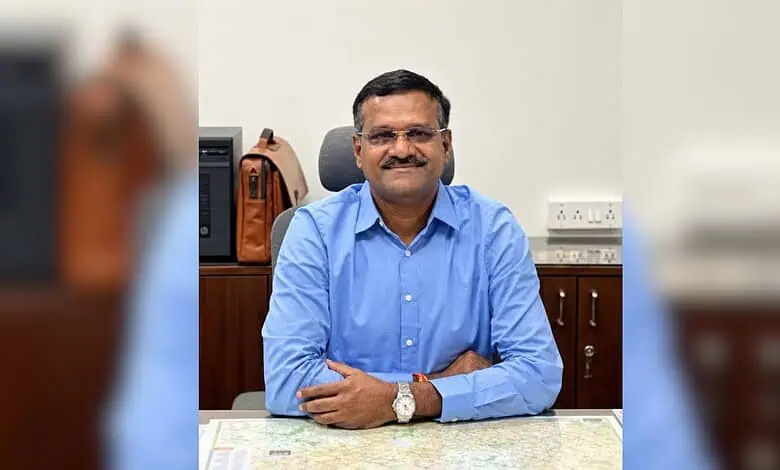
Raja Sekhar Reddy Lakkadi’s appointment puts the focus on enforcement, transparency and public trust in Telangana’s pollution regulator.
HYDERABAD: The Telangana government has appointed retired Indian Revenue Service officer Raja Sekhar Reddy Lakkadi as chairman of the Telangana Pollution Control Board for a three-year term. The appointment follows a government order issued on September 7, 2026, changing the earlier arrangement under which the Chief Secretary chaired the board.
The order cites his knowledge and practical experience in environmental protection as the basis for his appointment.
For communities affected by pollution, the significance of the appointment will lie in how the board responds to their concerns. A complaint about contaminated water or industrial emissions needs timely investigation, a clear explanation of the findings and effective action where violations are established.
Beyond Paper Compliance
A central challenge for the new chairman will be ensuring that compliance is demonstrated on the ground. Permissions, inspection reports and notices are essential regulatory tools, but their value depends on whether pollution is prevented and corrective measures work.
Credible oversight requires reliable sampling, timely inspections and follow-up checks. Where violations recur, the board’s response must address their causes and establish whether earlier directions were implemented. Equally, enforcement decisions must be evidence-based, consistent and open to scrutiny.
Make the Evidence Public
Transparency should be a practical priority. Monitoring results, inspection findings and the status of complaints need to be accessible and understandable. Residents should be able to find out what was tested, when it was tested, what the results mean and what action followed.
Industrial pollution, sewage and waste disposal also demand coordination across agencies. Where responsibilities overlap, citizens need a clear route to resolution rather than repeated referrals between departments.
The new leadership’s performance should ultimately be judged by environmental outcomes: whether violations are corrected, complaints receive meaningful responses and improvements can be demonstrated through credible monitoring. For Telangana’s pollution regulator, public trust will depend on making that evidence visible.